Effective communication with customers is an important part of utility management. One of the best ways to build trust with your customers is to communicate in a transparent way. Rate increases are necessary to fund infrastructure improvements and maintain service quality. Sharing information about upcoming rate increases can be stressful, but it doesn’t need to be.
For the past three years, AE2S has asked Annual Utility Rate Survey respondents how they prefer to communicate rate changes to their customers – utility bills, news releases to local media, letters, or social media posts. Respondents from Iowa, Idaho, Minnesota, Montana, Nebraska, North Dakota, South Dakota, Utah, and Wyoming answered the question this year.
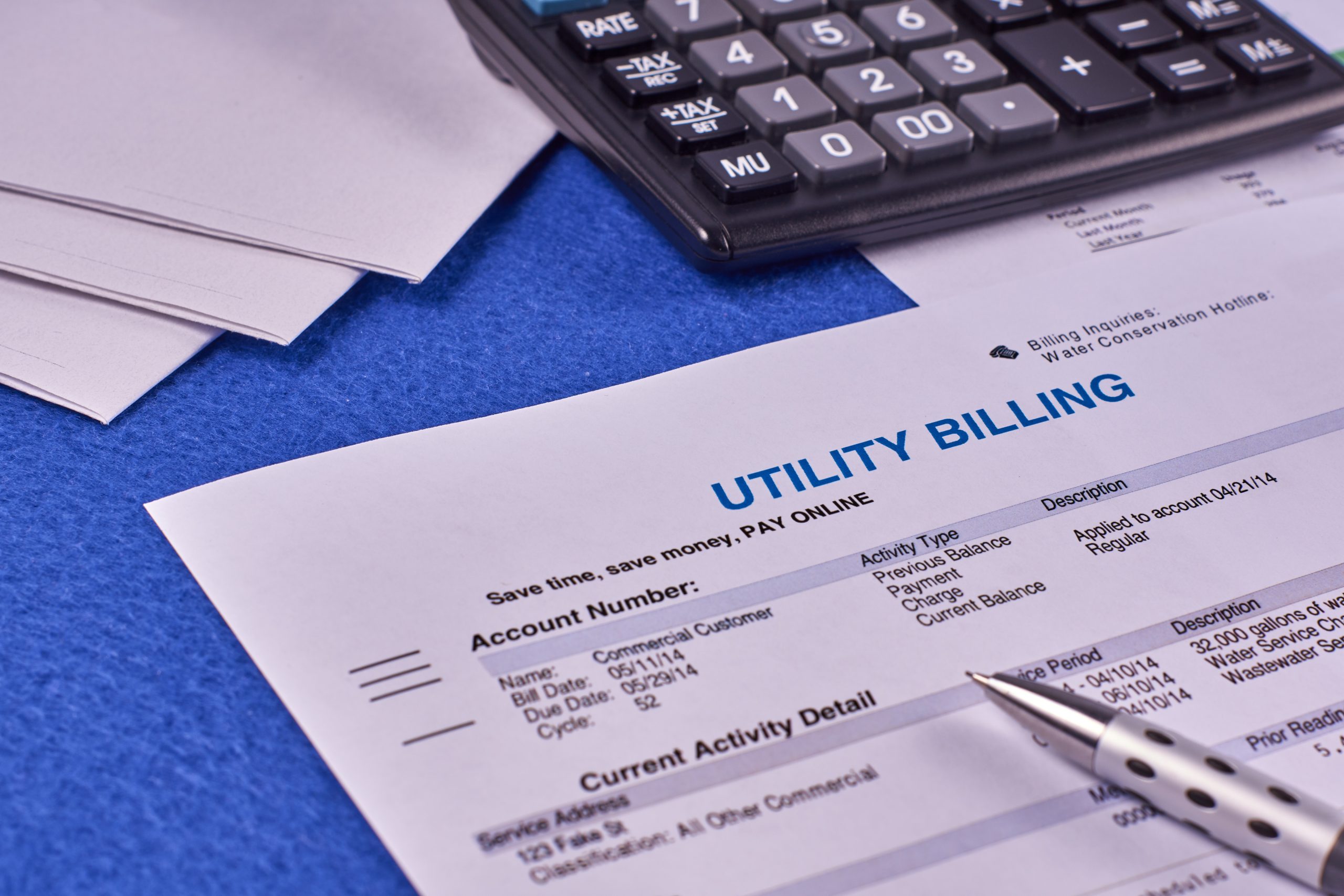
The 2025 results indicate utility bills are the preferred method again with 59% selecting that option. In 2024, 55% chose utility bills as compared to 62% in 2023. This year, 20% of those who responded to the question selected news releases, 14% chose letters, and 7% said they prefer social media for communicating rate increases with their customers.
When a water system is transparent about upcoming rate increases, customers can make informed decisions about their consumption and budget. Clear communication can include tips on how to reduce utility costs, such as water conservation techniques. Empowering customers to take control of their usage not only helps them manage their expenses but also contributes to sustainability.
Utilizing multiple communication methods increases the odds each customer receives the message. A multi-prong approach should include at least three of the following:
- Publish announcements on utility website
- Share updates on social media
- Mail letters or postcards
- Send news releases to local media
- Agree to media interview requests
For substantial rate increases, a utility should consider holding a public meeting to fully explain the need for the rate increase and answer questions. When communicating about rate increases the following information should be included:
- Explain the need for the rate increase
- Information about the infrastructure, equipment, treatment, or service improvements / project the rate increase will fund
- How much the current rate will increase
- How much the average utility rate customer can expect to pay
- When the rate change will begin
Engaging with and providing an outlet to listen to feedback can also provide better rapport between the utility and its customers. This, in turn, may lead to a better overall public perception of the water system.
When customers are well-informed and understand the reasons behind rate increases, they are more likely to accept the change even if they are not happy about the increased cost. A multi-faceted approach to communicating rate changes helps utility providers navigate the challenges of rate increases while fostering stronger relationships with customers.